Understanding SEO Basics
Let's start with the basics-what exactly is SEO? Simply put, SEO (Search Engine Optimization) is the practice of improving your website so search engines like Google can find it and rank it higher in search results. The better your SEO, the more likely your website is to show up when people search for topics related to your business or content.
Why does SEO matter so much? It drives organic traffic. Organic, in this case, means real, unpaid visitors who find your site through search engines. Think of it as a free marketing tool, helping your website gain visibility without paying for ads. Today, Search Engine Optimization is the way to attract the right audience, build your brand, and grow your business.
To get SEO right, you've got to understand these three important key components. On-page SEO is where content and structure come into play; off-page SEO is related to external factors such as backlinks; technical SEO is what ensures your website functions smoothly, of course, behind the curtains. So, get these right, and you are ready to face the world with potential SEO success!
What Is SEO and Why Does It Matter for Online Success?
SEO (Search Engine Optimization) is the practice of improving a website’s content, structure, and technical performance to help search engines understand its purpose and rank it higher in search results. When users search for information, products, or services on platforms like Google, SEO helps your website appear in front of the right audience at the right time.
For example, when someone searches for “Best digital marketing course in Delhi,” search engines evaluate multiple factors such as content quality, relevance, website experience, and authority before showing the most suitable results.
A strong SEO strategy helps businesses:
- Increase organic website visitors
- Improve search engine visibility
- Attract targeted customers
- Build online credibility
- Enhance user experience
- Reduce dependence on paid advertising
Unlike paid campaigns that stop bringing results after the budget ends, SEO creates sustainable growth by continuously improving your website’s presence in search results.
Off-page SEO strategies
Off-page SEO is as important as on-page SEO to ensure that you improve your website rankings. The most commonly applied strategy is backlink building. So, what are backlinks? They refer to links from other websites to yours and a search engine views them as some sort of endorsement for your content. The more you have the more quality backlinks, the higher ranked your website is. You can get backlinks through guest posts, partnerships, and developing content which others would want to link to.
Social media engagement is another factor. You can tap into Facebook, Instagram, and Twitter to drive people to your website. Social signals, or the share, like, and comments, tell search engines that your content is worth discussion; your SEO will get a boost.
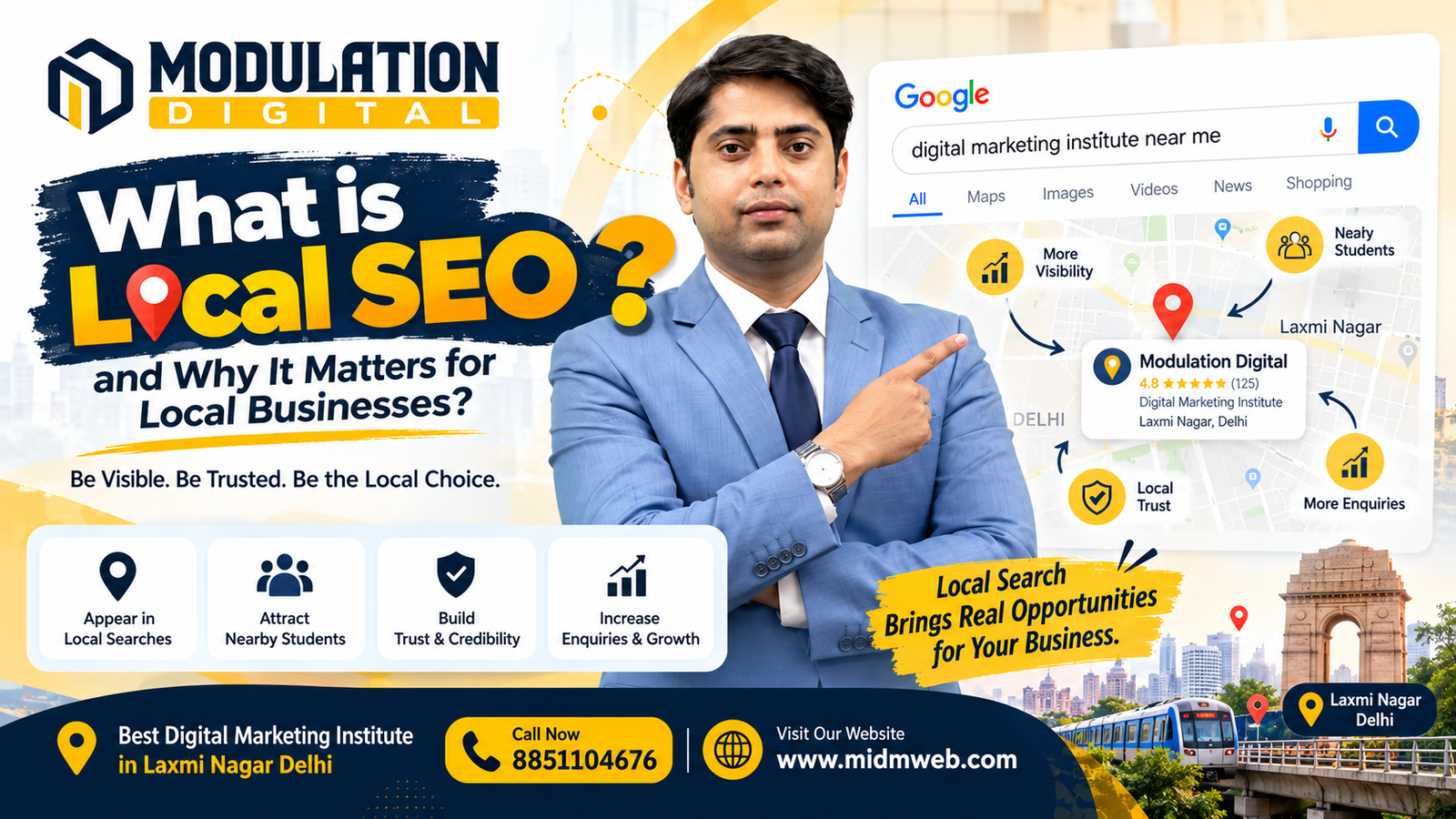
Last but not least, any business that targets a specific region requires local SEO. Begin with optimizing your Google My Business profile and ensuring NAP consistency across directories, as the potential returns in local search rankings will be improved due to local reviews. Focus on these off-page SEO strategies and grow your website's authority while bringing organic traffic to it.
Step 1: Understand Your Target Audience and Search Intent
Before creating content or applying SEO techniques, the first step is understanding your audience and what they are searching for. Many websites fail to achieve better rankings because they focus only on keywords instead of understanding the purpose behind those searches.
Search intent refers to the main reason why a user searches for something on Google. Search engines analyze this intent to provide the most relevant results. When your content matches user expectations, it improves rankings, engagement, and overall user experience.
There are four major types of search intent:
1. Informational Search Intent
Users search for information, answers, or knowledge about a particular topic. They are usually looking to learn something rather than make an immediate purchase.
Examples:
- What is SEO?
- How does digital marketing work?
- Benefits of learning web development
2. Navigational Search Intent
Users already know about a brand, website, or platform and search specifically to reach that destination. These searches usually include brand names or specific websites.
Examples:
- Modulation Digital website
- Google Search Console login
3. Commercial Search Intent
Users are researching different options before making a final decision. They compare courses, products, services, reviews, or features before taking action.
Examples:
- Best SEO course in Delhi
- Top digital marketing institutes near me
4. Transactional Search Intent
Users have a clear intention to complete an action, such as purchasing a product, booking a service, or enrolling in a course.
Examples:
- Join digital marketing course online
- Buy SEO tools subscription
Creating content based on search intent helps businesses attract the right audience, improve search visibility, and provide valuable solutions that match user needs.
Step 2: Conduct Effective Keyword Research for Better SEO Results
Keyword research is a fundamental part of SEO because it helps you understand what your target audience is searching for on search engines. Instead of creating content based on assumptions, keyword research allows businesses to identify the exact terms and phrases users use when looking for information, products, or services.
For example, a digital marketing institute targeting students may focus on keywords such as:
- Digital marketing course in Delhi
- SEO training institute
- Best SEO course
Selecting the right keywords helps create relevant content that matches user queries and improves the chances of ranking higher on search engines.
Popular Keyword Research Tools:
- Google Keyword Planner – Helps discover keyword ideas and search volume data.
- Google Search Console – Shows the keywords your website already ranks for.
- SEMrush – Provides competitor analysis and keyword opportunities.
- Ahrefs – Helps analyze keyword difficulty and backlink competition.
- Ubersuggest – Useful for finding keyword suggestions and SEO insights.
While selecting keywords, consider these important factors:
Search Volume
Shows how frequently users search for a particular keyword. Higher search volume indicates greater audience interest.
Keyword Difficulty
Measures how competitive a keyword is. Choosing keywords with realistic competition improves ranking opportunities.
Search Intent
Ensures that the keyword matches what users actually want to find.
A successful SEO strategy combines high-volume keywords with specific long-tail keywords to attract targeted visitors and generate better results.
Step 3: Create High-Quality SEO Content That Provides Real Value
Creating valuable content is one of the most important parts of Search Engine Optimization (SEO). Search engines like Google prioritize websites that provide accurate, helpful, and trustworthy information instead of content created only for ranking purposes.
A successful SEO content strategy should follow Google’s E-E-A-T (Experience, Expertise, Authoritativeness, and Trustworthiness) principles. This means your content should demonstrate real knowledge, practical experience, and reliable information.
To create effective SEO-friendly content, focus on:
- Helpful Information: Create content that answers user questions and solves real problems rather than only promoting products or services.
- Proper Content Structure: Use clear headings, short paragraphs, bullet points, examples, and FAQs to improve readability.
- Original Insights: Add expert opinions, case studies, practical examples, and industry experiences to build credibility.
For example, a digital marketing institute in Delhi can publish SEO guides based on real student projects, campaign results, and practical industry experiences. This type of content improves user trust, increases engagement, and strengthens search engine visibility.
Step 4: Important On-Page SEO Elements That Improve Website Rankings
Along with title optimization, several other On-Page SEO techniques help search engines understand your website content and improve the overall user experience. These elements make your webpages more organized, accessible, and easier to rank.
Meta Description Optimization
A meta description is a short summary that appears below your page title in search results. It helps users understand what your webpage offers before clicking.
A good meta description should:
- Include relevant keywords naturally
- Highlight the main benefit of the page
- Encourage users to visit your website
A well-written description can improve click-through rates and bring more targeted visitors.
Proper Heading Structure
Using the correct heading hierarchy improves content readability and helps search engines understand your page structure.
Follow this format:
- H1: Main topic of the webpage
- H2: Important sections covering major points
- H3: Supporting subtopics under each section
A clear heading structure makes content easier for both users and search engines to navigate.
Internal Linking Strategy
Internal links connect one webpage to another page within the same website. They help users explore more valuable content while allowing search engines to understand the relationship between different pages.
Benefits include:
- Improves website navigation
- Increases user engagement
- Helps distribute page authority
- Supports better indexing
Image Optimization
Optimizing images improves website speed and accessibility. Large, unoptimized images can slow down pages and negatively affect user experience.
Best practices include:
- Using descriptive file names
- Adding proper ALT text
- Compressing image sizes
- Choosing suitable image formats
Optimized images help websites load faster and provide a better experience for visitors and search engines.
Step 5: Build Website Authority Through Effective Off-Page SEO
Off-Page SEO refers to optimization activities performed outside your website to improve its authority, credibility, and reputation in search engines. While on-page SEO focuses on improving your website content, off-page SEO helps search engines understand how trustworthy and valuable your website is compared to competitors.
The most important factor in Off-Page SEO is backlink building. A backlink is a link from another website that directs users to your website. Search engines consider high-quality backlinks as trust signals because they indicate that other websites find your content valuable and reliable.
However, when building backlinks, quality is more important than quantity. A single backlink from an authoritative and relevant website can provide more SEO value than hundreds of links from low-quality sources.
Effective Off-Page SEO Strategies Include:
- Guest Posting: Publishing valuable articles on relevant websites to earn quality backlinks.
- Digital PR: Building online reputation through news mentions and industry publications.
- Industry Partnerships: Collaborating with trusted businesses and professionals.
- Business Listings: Creating profiles on relevant directories to improve online visibility.
- Community Engagement: Participating in forums and online discussions related to your industry.
- Shareable Content Creation: Developing useful guides, research, and resources that naturally attract links.
Social media promotion also supports off-page SEO by increasing content reach, brand awareness, and audience engagement. A strong off-page strategy helps websites build authority and achieve sustainable search rankings.
Step 6: Strengthen Your Website With Technical SEO
Technical SEO focuses on improving the technical foundation of your website so that search engines can easily crawl, understand, and index your pages. A technically optimized website not only improves search visibility but also provides a smoother experience for visitors.
Important technical SEO factors include:
Website Speed Optimization
Page loading speed is an important ranking factor because users expect websites to load quickly. Slow websites often increase bounce rates and negatively affect user experience. Optimizing images, improving hosting performance, and reducing unnecessary scripts can help improve website speed.
Mobile-Friendly Optimization
With the majority of internet users accessing websites through smartphones, mobile optimization has become essential. Google follows mobile-first indexing, which means it primarily evaluates the mobile version of a website when determining rankings.
XML Sitemap
An XML sitemap helps search engines discover and understand the structure of your website. It ensures that important pages can be crawled and indexed properly.
Robots.txt File
The robots.txt file provides instructions to search engine crawlers about which pages they can access and which pages should remain restricted.
SSL Certificate and Website Security
Websites using HTTPS provide secure connections and build user trust. Google also considers website security as an important factor for creating a safe browsing experience.
A strong technical SEO foundation helps websites perform better, improve rankings, and deliver a better experience for users and search engines.
Step 7: Monitor SEO Performance and Continuously Improve Your Strategy
SEO is an ongoing process that requires regular tracking, analysis, and improvements. Simply implementing SEO techniques is not enough; you need to measure performance to understand what is working and where changes are required.
Tracking SEO data helps businesses make data-driven decisions and improve their search engine visibility over time.
Important SEO Tracking Tools:
Google Search Console
Google Search Console is a free tool that helps website owners monitor their performance in Google search results. It provides valuable insights about:
- Keyword rankings
- Search impressions
- Click performance
- Indexing problems
- Website errors
Google Analytics
Google Analytics helps analyze how visitors interact with your website. It provides information about:
- Website traffic sources
- User behaviour
- Most visited pages
- Conversion rates
- Audience engagement
Key SEO Metrics to Measure:
- Organic Traffic: Measures visitors coming from search engines without paid advertising.
- Keyword Rankings: Shows how well your website performs for targeted search terms.
- Click-Through Rate (CTR): Measures how many users click your website after viewing it in search results.
- Bounce Rate: Shows how quickly users leave your website after visiting.
- Conversion Rate: Measures how many visitors complete desired actions.
- Backlink Growth: Tracks improvements in website authority through quality backlinks.
Regular SEO monitoring allows businesses to identify opportunities, fix issues, and continuously optimize their strategy for better rankings and long-term growth.
Common SEO Mistakes Beginners Should Avoid
Many beginners start Search Engine Optimization (SEO) with the goal of ranking quickly, but small mistakes can prevent a website from achieving long-term success. Instead of focusing only on search engine rankings, every SEO strategy should prioritize creating a better experience for users. Avoiding common SEO errors helps improve website performance, increase organic traffic, and build long-term authority.
Keyword Stuffing
One of the most common mistakes is repeating the same keyword multiple times in an attempt to rank higher. Modern search engines are smart enough to recognize unnatural keyword usage. Instead of forcing your focus keyword into every paragraph, use it naturally along with secondary keywords and related semantic terms that improve content relevance.
Ignoring Mobile Optimization
A website that doesn't work properly on mobile devices can lose both visitors and rankings. Since Google uses mobile-first indexing, your website should load quickly, display correctly on all screen sizes, and provide a smooth browsing experience.
Publishing Low-Quality Content
Creating content only to rank for keywords without solving users' problems rarely produces long-term SEO results. High-quality content should answer search queries, provide accurate information, and demonstrate expertise, following Google's E-E-A-T guidelines.
Building Low-Quality Backlinks
Not every backlink improves SEO. Links from spammy or irrelevant websites can damage your website's credibility. Focus on earning backlinks from trusted, relevant, and authoritative websites within your industry.
Neglecting Content Updates
SEO is an ongoing process, not a one-time task. Regularly updating older blogs with fresh information, current statistics, improved keywords, and better internal links helps maintain rankings and keeps your content valuable for both users and search engines. Consistent optimization is one of the most effective ways to achieve sustainable SEO growth.
Learn SEO and Digital Marketing from Industry Experts at Modulation Digital Institute
Choosing the right institute is just as important as learning the right skills. While many training centers focus only on theory, Modulation Digital Institute emphasizes practical learning that prepares students for real industry challenges. The curriculum is regularly updated to include the latest trends in Search Engine Optimization (SEO), AI-powered marketing, and modern digital marketing strategies. Students learn how search engines work, how websites rank, and how to create SEO strategies that generate measurable business results.
Industry-Focused Curriculum Designed for Today's Digital World
The training program is built around current industry requirements and includes topics such as:
- Keyword Research and Search Intent Analysis
- On-Page SEO & Technical SEO
- Off-Page SEO and Link Building
- Local SEO & Google Business Profile Optimization
- Google Analytics 4 (GA4) and Google Search Console
- AI SEO, LLM Optimization, AEO (Answer Engine Optimization), and GEO (Generative Engine Optimization)
- Content Marketing and SEO Content Writing
- Live Website Audits and Competitor Analysis
Learn from Experienced Industry Mentor – Mr. Parveen Sir
Students receive practical guidance from Mr. Parveen, an experienced digital marketing professional with extensive knowledge of SEO, website optimization, lead generation, and performance marketing. His training focuses on real-world implementation, helping students understand how SEO strategies are applied to actual business websites instead of only learning theoretical concepts.
Why Choose Modulation Digital Institute?
- 7+ Years of Industry Experience
- 1000+ Students Successfully Trained
- 700+ Placement Partners
- Live Projects and Case Studies
- Practical SEO & Digital Marketing Training
- Internship and Placement Assistance
- Resume Building and Mock Interview Preparation
- Industry-Recognized Certification
- Lifetime Learning Support and Updated Study Materials
By combining practical experience, modern SEO techniques, AI-driven optimization, and expert mentorship, Modulation Digital Institute helps students develop job-ready skills and build successful careers in the rapidly growing field of Digital Marketing and Search Engine Optimization.
Frequently Asked Questions (FAQs) About SEO
What is SEO in simple words?
Search Engine Optimization (SEO) is the process of improving a website so it appears higher in search engine results like Google. A well-optimized website attracts more organic traffic, improves online visibility, and helps users find relevant information, products, or services without relying only on paid advertisements.
Why is SEO important for websites and businesses?
SEO helps businesses increase their online presence, reach their target audience, and generate high-quality leads. A strong SEO strategy improves brand credibility, enhances user experience, and supports long-term business growth by bringing consistent organic traffic from search engines.
How long does SEO take to show results?
SEO is a long-term strategy, not a quick solution. Depending on your website's authority, competition, content quality, and optimization efforts, noticeable improvements may take 3 to 6 months, while competitive industries can require even more time to achieve higher rankings.
Can beginners learn SEO without technical knowledge?
Yes. Anyone can learn Search Engine Optimization by understanding the fundamentals of keyword research, on-page SEO, off-page SEO, technical SEO, content optimization, and website analytics. Consistent practice and real-world implementation are the best ways to build SEO expertise.
What are the three main types of SEO?
The three primary types of SEO are:
- On-Page SEO: Optimizing website content, headings, meta tags, URLs, and internal links.
- Off-Page SEO: Building website authority through backlinks, digital PR, and brand mentions.
- Technical SEO: Improving website speed, mobile responsiveness, crawlability, indexing, and overall technical performance.
What is the difference between SEO and paid advertising?
SEO generates organic traffic by improving a website's rankings naturally, while paid advertising requires businesses to pay for every click or impression. Although paid ads provide immediate visibility, SEO offers sustainable long-term growth and better return on investment over time.
Which tools are commonly used for SEO?
Professional SEO experts use several tools to research keywords, monitor rankings, and improve website performance, including:
- Google Search Console
- Google Analytics 4 (GA4)
- Google Keyword Planner
- Ahrefs
- SEMrush
- Screaming Frog SEO Spider
- Ubersuggest
What is keyword research in SEO?
Keyword research is the process of identifying the words and phrases users search for on Google. Choosing the right focus keywords, long-tail keywords, and semantic keywords helps create content that matches user intent and improves search engine rankings.
What is E-E-A-T in SEO?
E-E-A-T stands for Experience, Expertise, Authoritativeness, and Trustworthiness. Google uses these quality signals to evaluate whether a webpage provides reliable, accurate, and valuable information, especially for topics that influence important life decisions.
What is AEO, GEO, and LLM Optimization?
Modern SEO has evolved beyond traditional search engines.
- AEO (Answer Engine Optimization): Optimizes content to appear in featured snippets and AI-generated answers.
- GEO (Generative Engine Optimization): Improves content visibility in AI-powered search experiences and generative search engines.
- LLM Optimization: Structures content so Large Language Models like ChatGPT, Gemini, and other AI assistants can better understand, reference, and recommend your content.
How often should I update my SEO content?
Updating your content every 3 to 6 months is considered a good practice. Refreshing statistics, adding new information, improving internal links, and optimizing for current search trends helps maintain rankings and improves user experience.
How can I learn SEO professionally?
The best way to learn SEO is through a practical, industry-oriented training program that combines live projects, real website optimization, keyword research, technical SEO, and hands-on experience. Learning from experienced mentors helps students understand how SEO works in real business environments and prepares them for careers in digital marketing.
Conclusion
Mastering how to do SEO is no longer optional for businesses, bloggers, marketers, or anyone who wants to build a strong online presence. Search Engine Optimization (SEO) is a long-term digital marketing strategy that helps websites improve Google rankings, increase organic traffic, and attract users who are actively searching for relevant information, products, or services. Success in SEO comes from combining keyword research, high-quality content, on-page SEO, off-page SEO, technical SEO, and continuous website optimization rather than relying on shortcuts or outdated tactics.
As search engines continue to evolve with Artificial Intelligence (AI), Answer Engine Optimization (AEO), Generative Engine Optimization (GEO), and LLM Optimization, creating user-focused, trustworthy, and experience-driven content has become more important than ever. Websites that follow Google's E-E-A-T principles—Experience, Expertise, Authoritativeness, and Trustworthiness—are better positioned to achieve sustainable rankings and long-term visibility.
Whether you are a student, entrepreneur, content creator, or digital marketing professional, learning how to do SEO can open the door to better career opportunities, higher website traffic, stronger brand authority, and long-term business growth. By applying ethical SEO practices, staying updated with industry trends, and continuously improving your skills, you can build a website that not only ranks well on Google but also delivers real value to your audience and achieves lasting digital success.